Aligning the PVH Cyber Week Experience
Creating clarity and alignment across channels during the most complex moment of the retail year.
Context
Cyber Week is the most complex week of the year for Tommy Hilfiger and Calvin Klein. Every team is operating at full speed, yet the experience was fragmented across channels. Offers changed quickly. Inputs came from many directions. Stakeholders often remembered different agreements. Pressure was high and alignment was fragile.
The challenge was not a design problem. It was a structural one. Hundreds of decisions needed one shared foundation.
Cyber week also involved several layers of planning. Global teams, Europe, retail, CRM, brand and ecom were all working from different timelines and levels of detail. Without a shared framework, messages and expectations drifted. The opportunity was to bring these pieces together in a way that made the work clearer, not heavier.
Insight
Talking about Cyber week was never enough. People needed to see it. Without a simple shared view, teams interpreted information differently and made decisions in isolation.
A single view can shift how teams think, not only how they work.

What We Created
The goal was to build more than a visual guide. We needed a playbook that teams could rely on, learn from and use consistently each year.
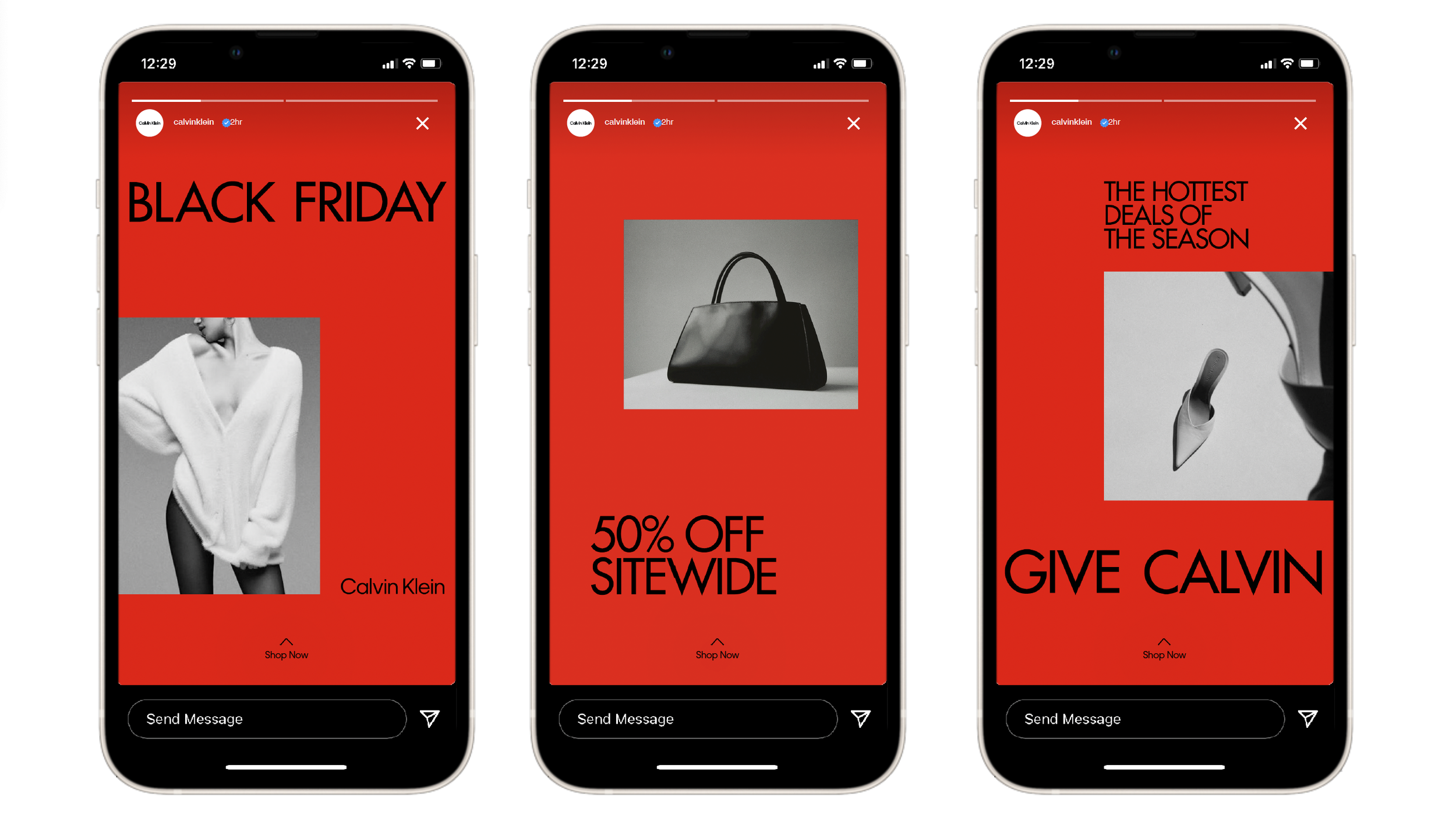
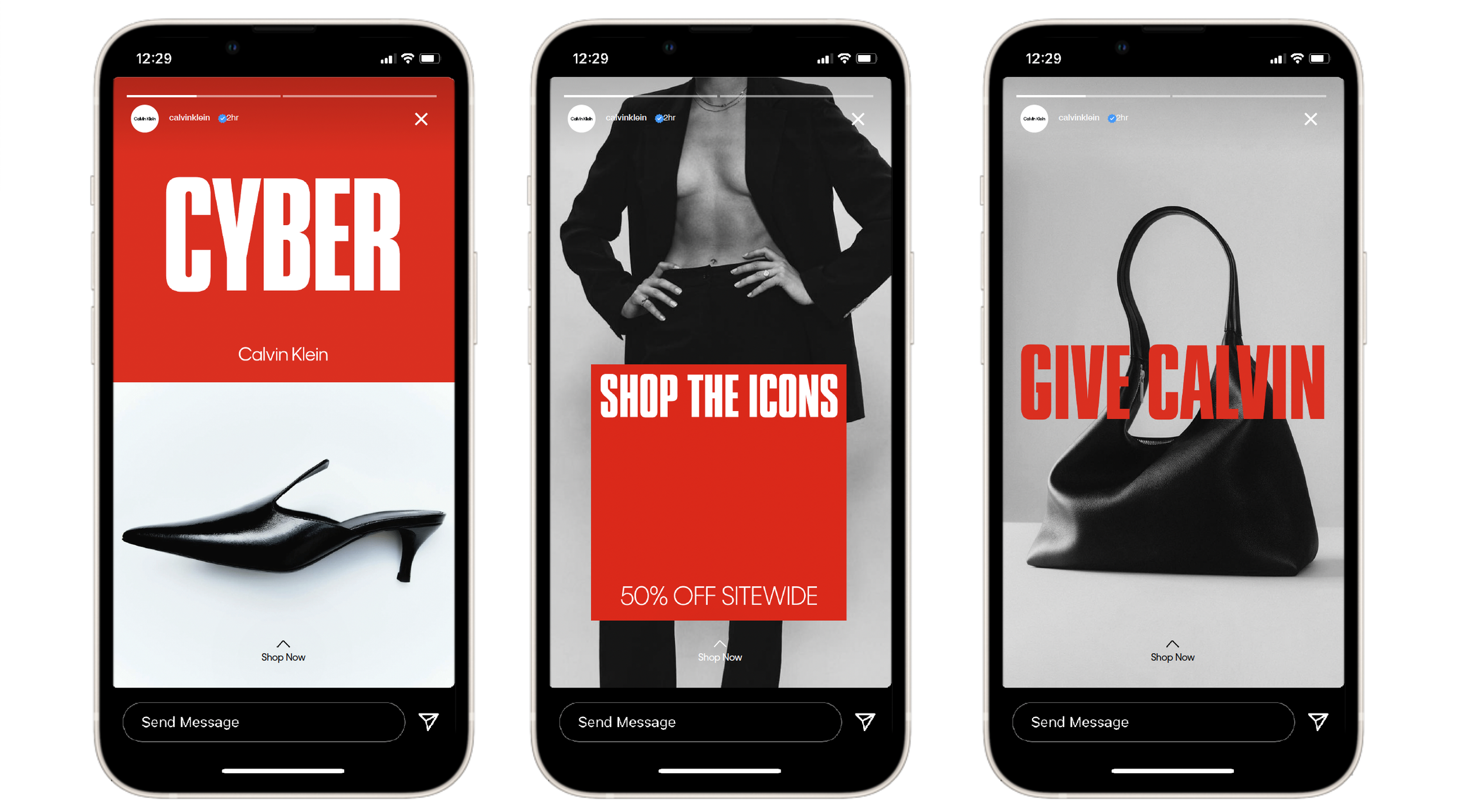
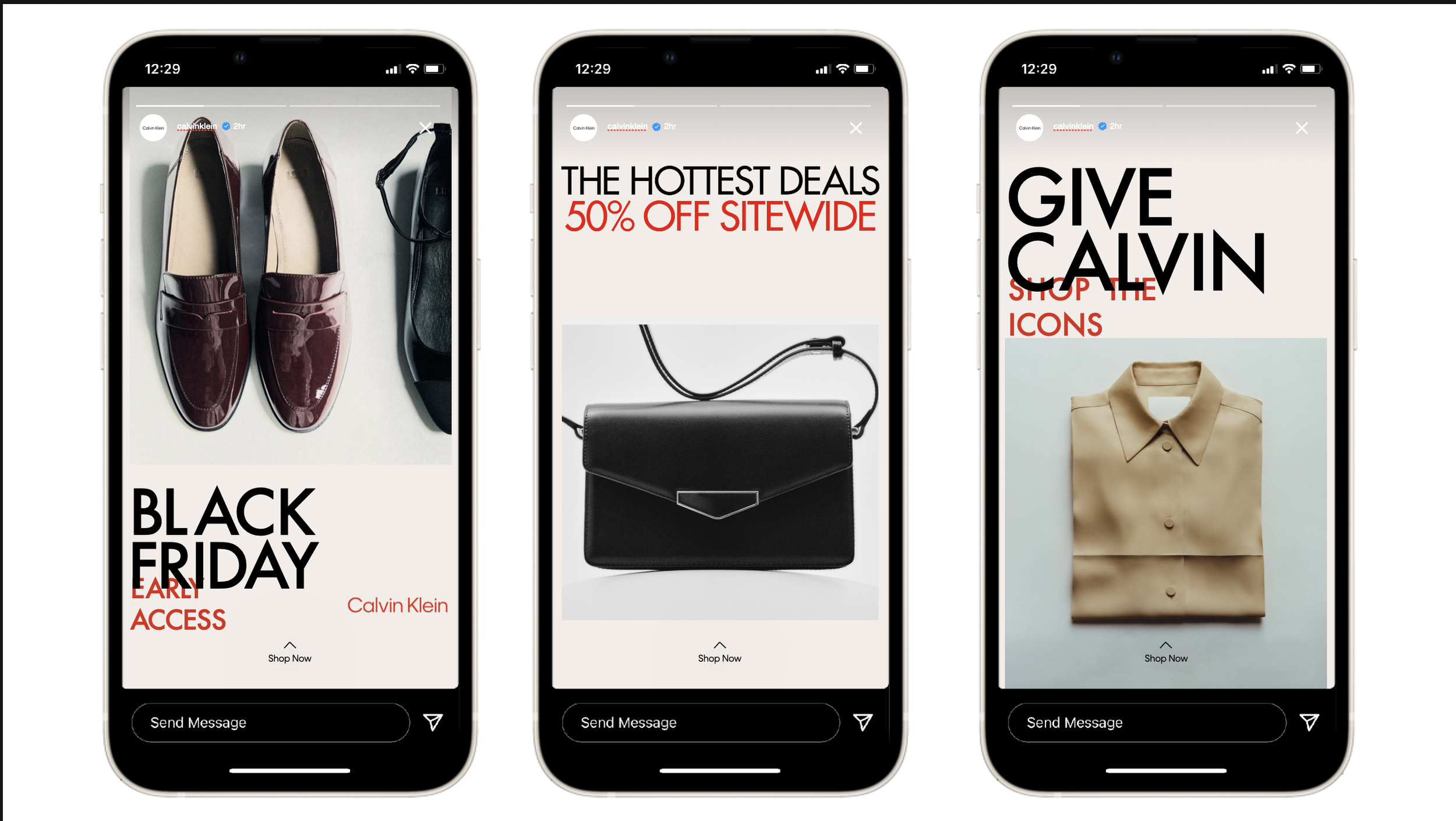
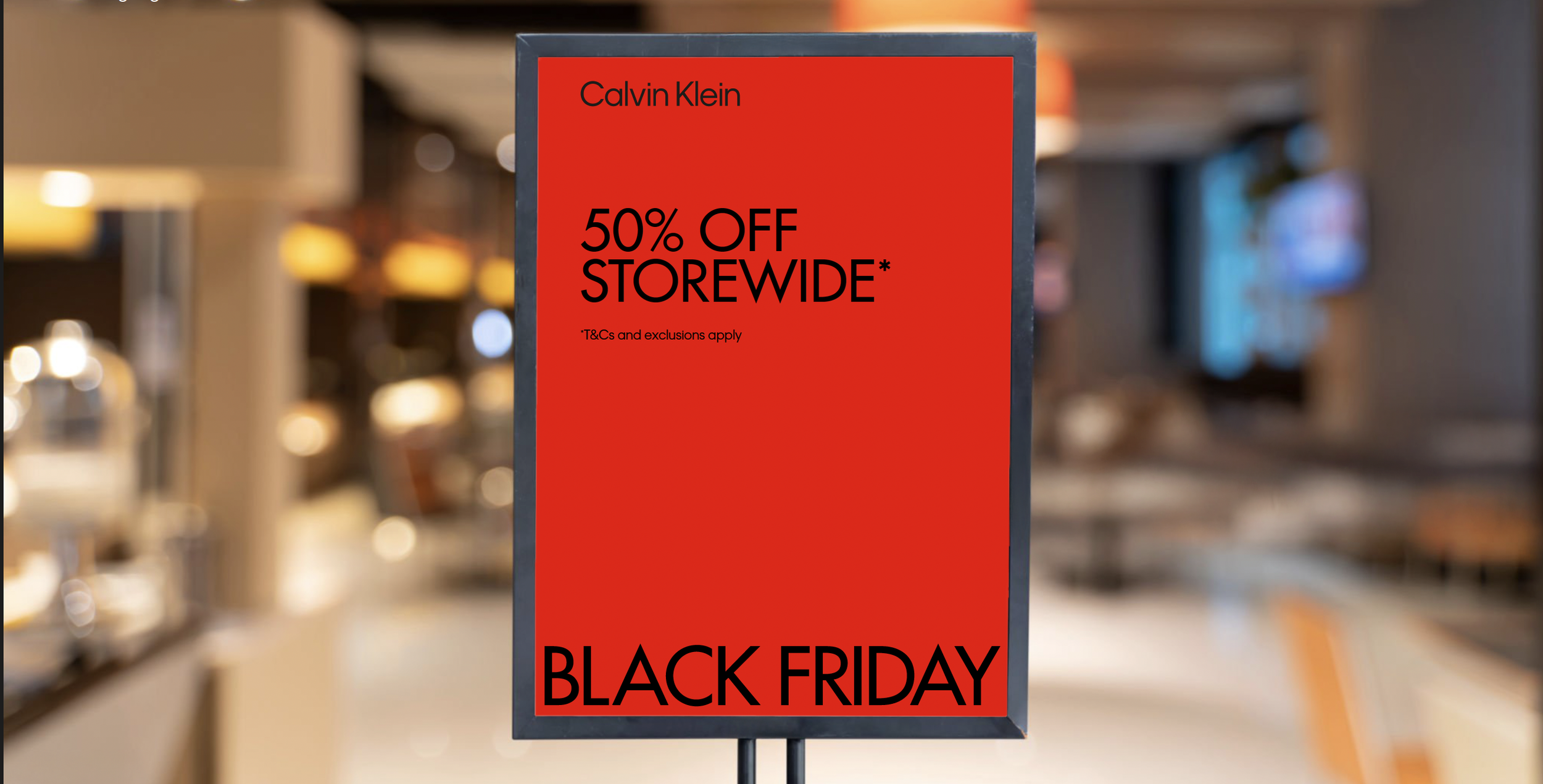
Working with design, product, marketing, customer loyalty and business teams, we mapped every sales moment into one clear, visual journey. Each phase showed what the site would look like, what the offer was, which tests were running and how traffic would move. The playbook also made ownership visible. It showed who was responsible for each element, what needed to stay consistent across channels and which areas could adapt.
We also shaped lightweight experience principles. These guided decisions when plans shifted. They clarified how we wanted customers to feel at each moment, how urgency should balance with brand expression and how to keep information usable even in fast-changing conditions.
Creating the playbook was collaborative. Designers refined flows, CRM validated messaging, and product and analytics flagged risks. This process surfaced misalignments early and brought teams into a shared conversation.

A single shared view changed how teams moved. Parallel work shifted into coordinated action and decisions became smoother.
It gave teams a common language. Instead of debating interpretations, we were now talking about the same reference points.
Impact
Impact
The impact truly about the behaviour we had now unlocked:
Alignment became faster and more confident
Decisions moved earlier in the process
Fewer last-minute escalations
Clearer communication with senior leadership
Stakeholders referenced the playbook directly in planning
Moving forward, the strategic business team adopted the model and evolved it into a new standard way of working
The playbook created clarity during a high-pressure period and removed friction that had become an annual pattern. What I found most valuable was how quickly people adopted it. Teams began planning earlier, raising questions sooner and spotting gaps before they turned into issues. It created shared ownership that had not existed before.
Reflection
Collaboration during Cyber week reinforced how powerful clarity can be. It showed that alignment often comes from revealing what is already there in a form people can actually use. The playbook became a simple tool that supported better conversations and more grounded decisions. For a week as intense thie one, clarity matters as much as the offer itself.